Freshwater Fish
These are some of the most popular choices for beginners. They come in a wide variety of shapes, sizes, and colors. Examples include goldfish, bettas, tetras, and guppies.
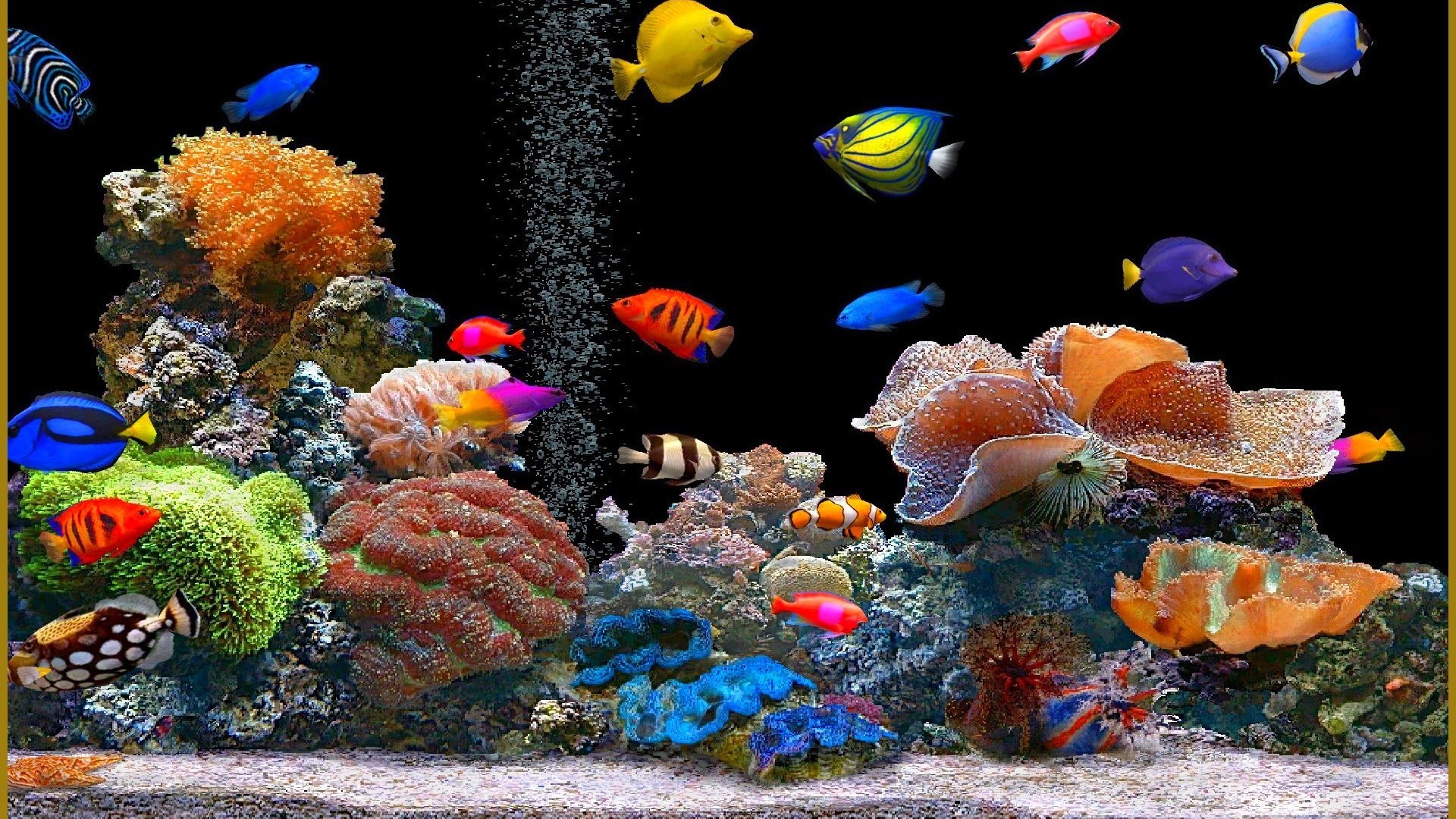
Fish are aquatic, craniate, gill-bearing animals that lack limbs with digits. They form a sister group to the tunicates, together forming the olfactores. Included in this definition are the living hagfish, lampreys, and cartilaginous and bony fish as well as various extinct related groups.
These are some of the most popular choices for beginners. They come in a wide variety of shapes, sizes, and colors. Examples include goldfish, bettas, tetras, and guppies.
More challenging to maintain due to their specific water requirements, but they offer stunning colors and shapes. Examples include clownfish, tangs, and gobies.
These fish prefer cooler temperatures and are suitable for unheated aquariums. Goldfish are the most common coldwater fish.
Aquarium: Choose an appropriate-sized tank for the species you want to keep. Consider factors like space, filtration, and lighting.
Filtration: Essential for maintaining water quality. There are different types of filtration systems available, such as mechanical, biological, and chemical.
Water Parameters: Essential for maintaining water quality. There are different types of filtration systems available, such as mechanical, biological, and chemical.
Decoration: Add substrate, plants, rocks, and ornaments to create a natural environment for your fish. Ensure they're safe and suitable for your fish species.
Feeding: Provide a balanced diet specific to your fish species. Some eat flakes, pellets, or live/frozen foods. Feed in appropriate amounts to avoid overfeeding and water pollution.
Water Maintenance: Regularly clean the tank, change water, and maintain equipment to ensure a healthy environment for your fish.
Healthcare: Monitor your fish for signs of illness or distress. Quarantine new fish before introducing them to the main tank to prevent spreading diseases.
Observation: Spend time observing your fish. Each species has its behaviors and personalities, making them fascinating to watch.
Interaction: While fish might not interact with you in the same way as other pets, they can still recognize their owners and may even learn to anticipate feeding times.
Education: Learning about your fish species, their natural habitat, and behaviors can enhance your enjoyment and help you provide better care.
Remember, keeping pet fish is a rewarding hobby that requires commitment and responsibility. With proper care, your fish can thrive and provide you with years of enjoyment.